Skip to content
Shade Customs

3M Authorized Dealer

Auto Window Tint

Color Stable, Ceramic IR and Crystalline. Cut and cured in-house on University Ave, most cars done same day.

UV blocked
99%UV blocked
Warranty
LifetimeWarranty
Signal loss
ZeroSignal loss
Most cars
Same dayMost cars

01 / Choose your film

Three grades, straight answers

One manufacturer, measured one way, at 35% — the practical Texas front-window shade.

Color Stable

3M Color Stable Series

The factory look that never goes purple

Heat
57%
IR
32%
UV
99%

Carbon dispersed through the film, not dyed onto it, so it never fades violet. Strong on heat when it's dark; less so when it's light.

Shades 5 · 15 · 25 · 30 · 35 · 50 · 70%
Ceramic IR◆ Popular

3M Ceramic IR Series

The most total heat we can put on glass

Heat
58%
IR
85%
UV
99%

The Georgetown daily driver. Holds its infrared number at every shade, so the legal 35% up front still does nearly all the work.

Shades 5 · 15 · 25 · 30 · 35 · 50 · 70%
Crystalline

3M Crystalline Series

Near-invisible glass that still kills the heat

Heat
60%
IR
98%
UV
99%

For when you don't want the car to look tinted at all. Up to 99% of infrared gone at a shade you can see straight through.

Shades 30 · 35 · 40 · 50 · 60 · 70 · 80%

02 / Heat, not darkness

What each film does at your shade

Ceramic holds its number at every shade. Carbon doesn't — which is why a light ceramic beats a dark carbon up front.

At darkness

Legal on Texas front sides

Swipe the table to see all three →

Total solar energy rejected, infrared rejection, glare reduction and UV rejection for each film at 35% VLT, or at the nearest shade that film is made in where 3M doesn't offer 35%.
At 35% VLTColor Stable3M · CSCeramic IR3M · IRCrystalline3M · CR
Total solar heat57%58%60%
Infrared (IRR)32%85%98%
Infrared, full band (IRER)62%67%67%
Glare reduction57%49%55%
UV rejection99%99%99%
Comes in5 · 15 · 25 · 30 · 35 · 50 · 70%5 · 15 · 25 · 30 · 35 · 50 · 70%30 · 35 · 40 · 50 · 60 · 70 · 80%
Signal safeYes — non-metallicYes — non-metallicYes — non-metallic
Warranty3M lifetime, plus lifetime workmanship in-house3M lifetime, plus lifetime workmanship in-house3M lifetime, plus lifetime workmanship in-house

Every figure is 3M's own, measured on ¼-inch automotive green glass (73% VLT) per ANSI/NFRC 200, so these read straight across. Total solar heat leads because it is the bottom line and means the same thing for all three constructions — read it and the tiers sit closer than the price gap suggests. Infrared (IRR), 900–1000nm, on film alone — a narrow band near the infrared peak, is where they separate; IRER is the same energy 780–2500nm, on glass — the whole band, counting heat the film re-radiates inwardand reads lower. Where a column notes a different shade, that tier isn't made in the one you picked.

03 / How it goes

In and out in an afternoon

  1. 01

    Pick film + %

  2. 02

    Measure & cut

  3. 03

    Install & cure

  4. 04

    Out by 5:30

04 / Recent work

Cars we've done

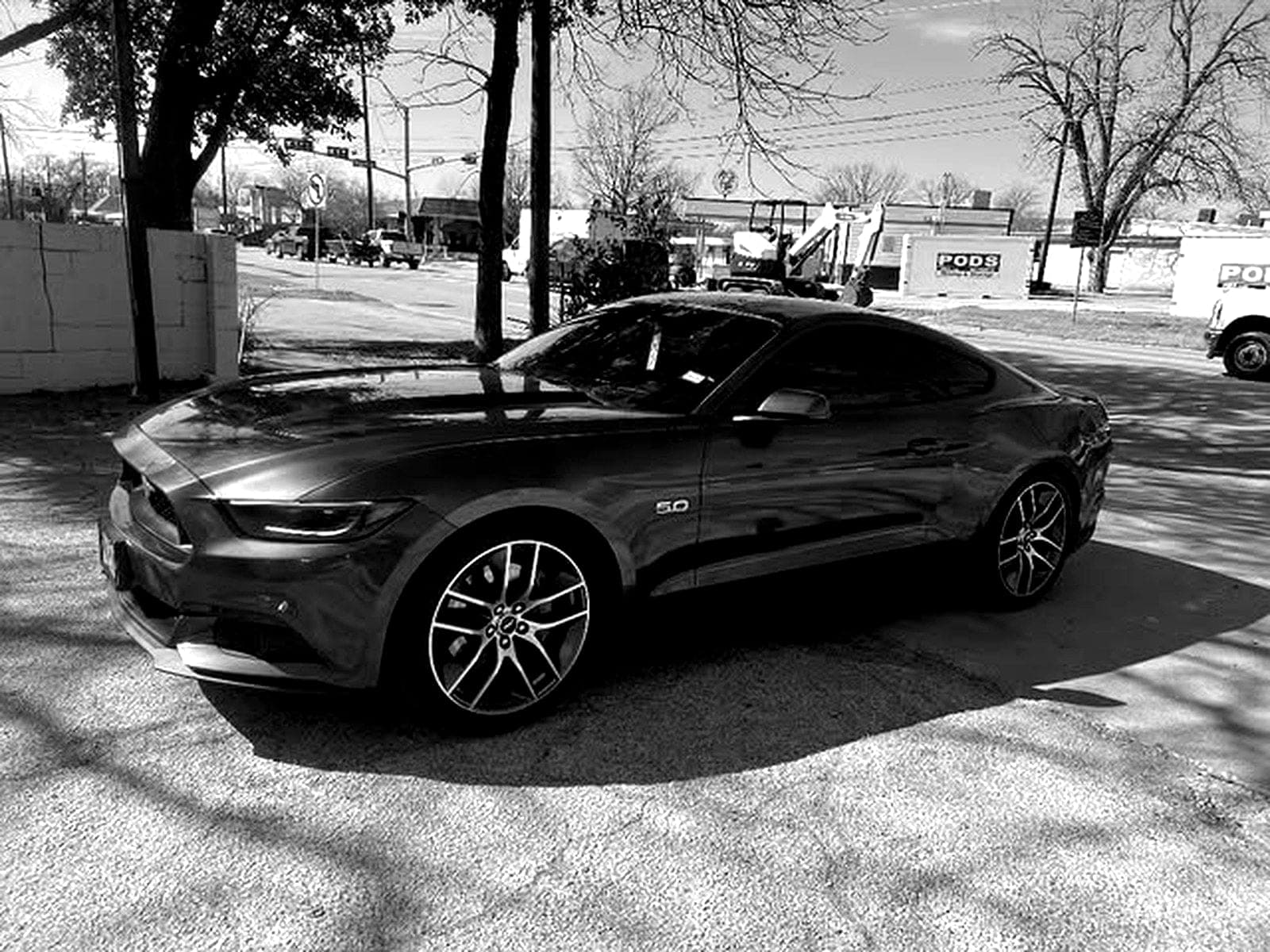
Ford Mustang GT tinted 15% with 5% rear and a windshield strip
Coupe · 15% + 5% rear
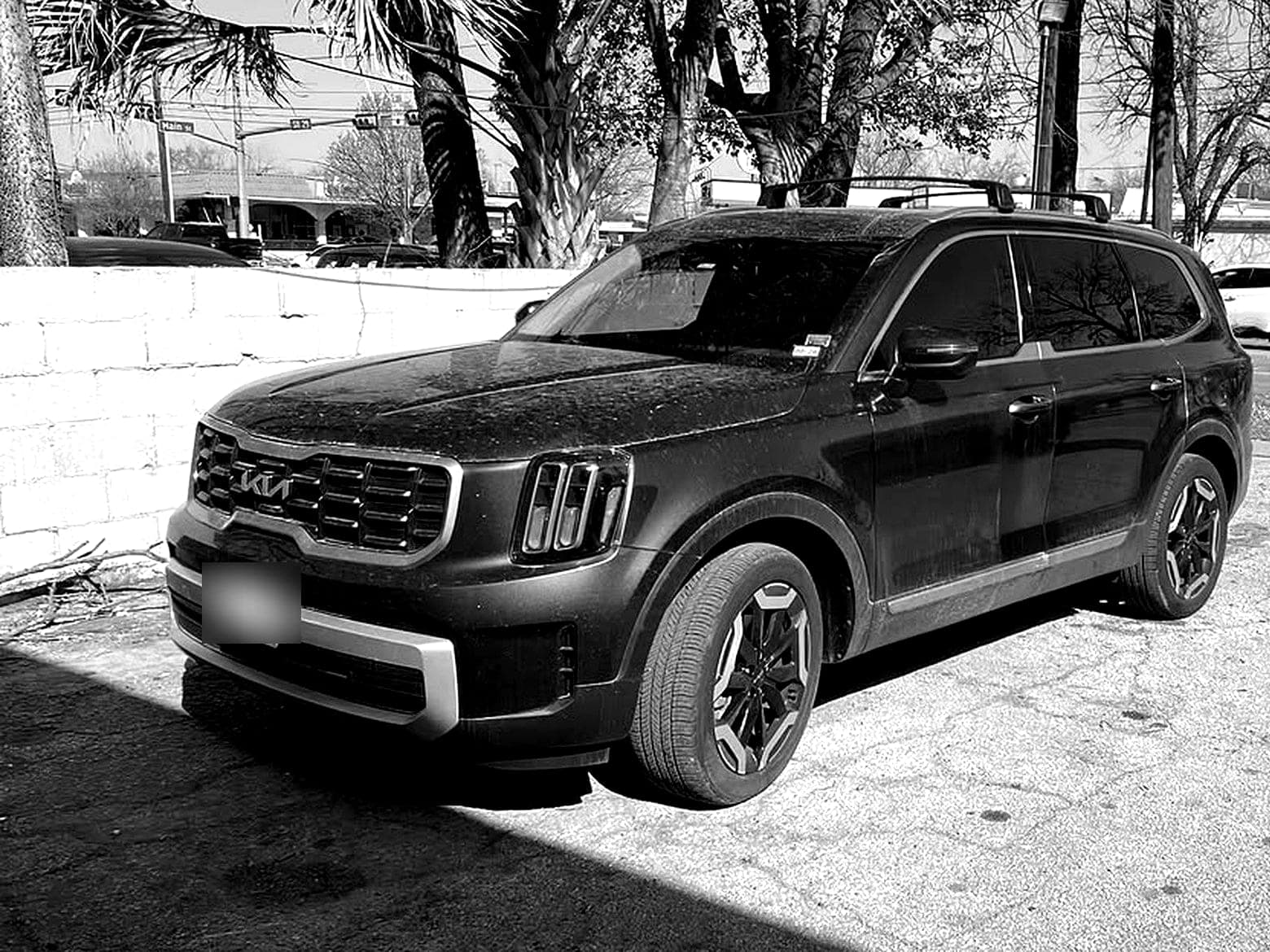
Kia Telluride tinted 25% on the front windows with 5% behind
SUV · 25% + 5%
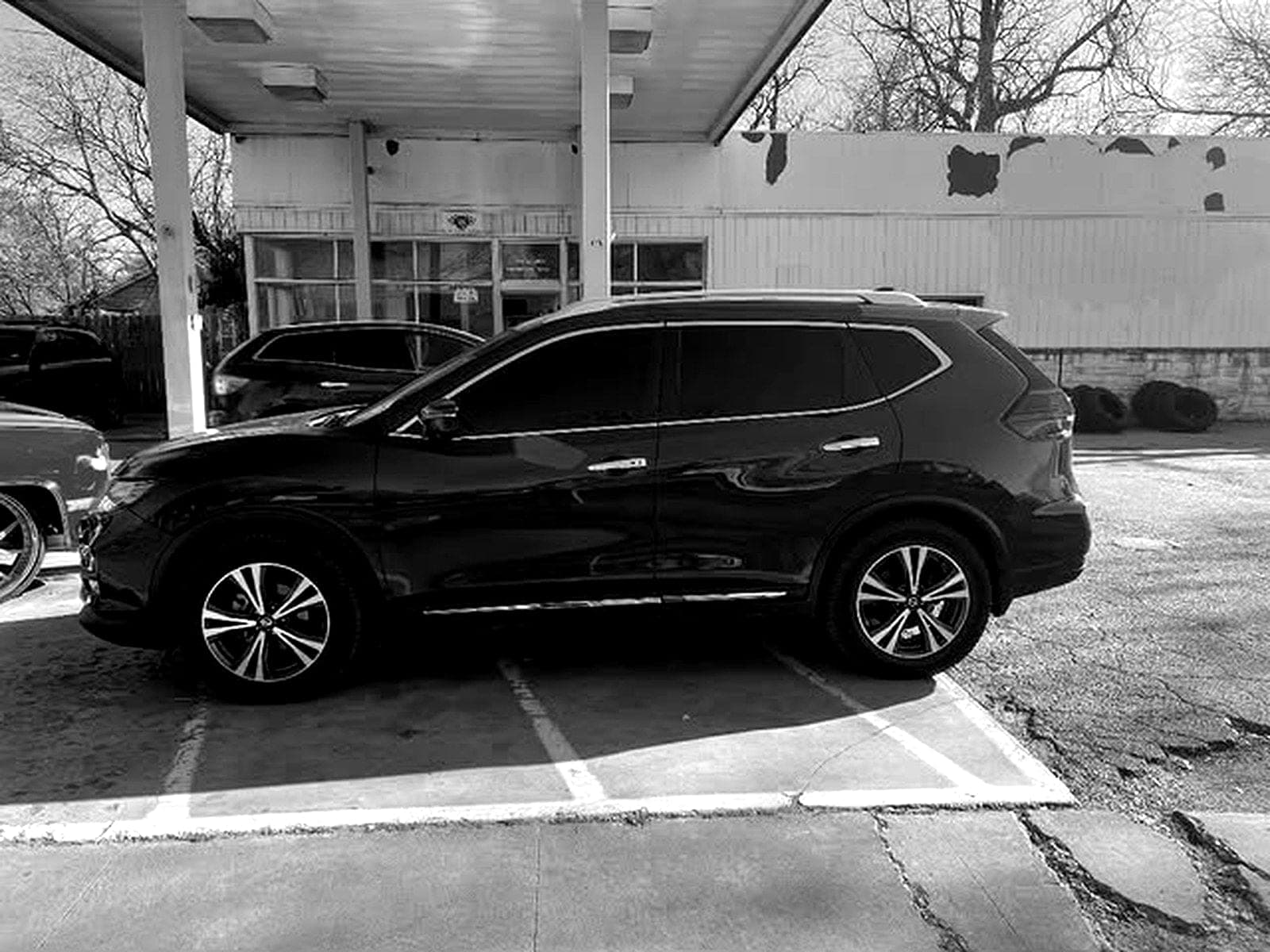
Nissan Rogue tinted 5% all round
SUV · 5% all round
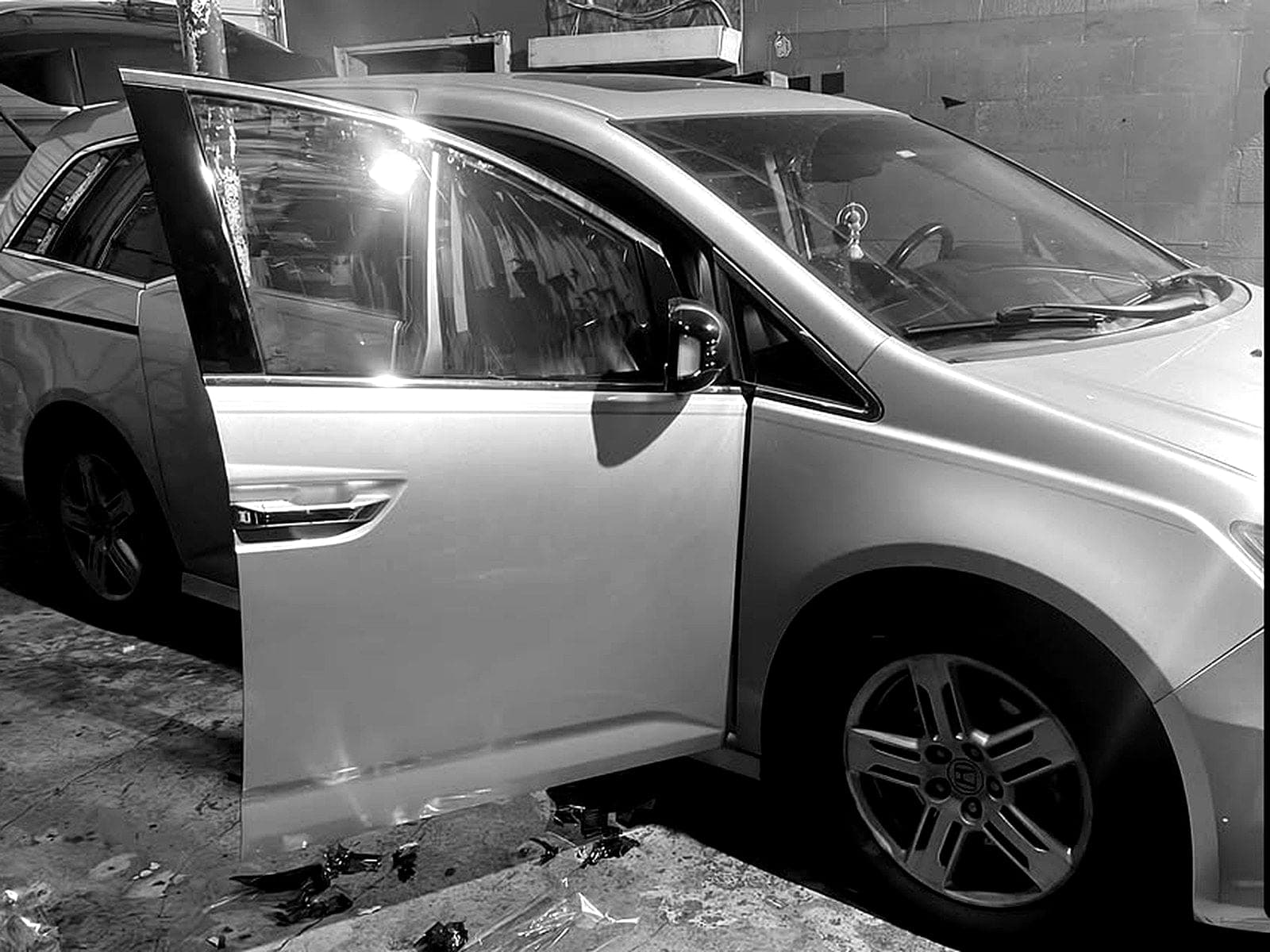
Honda Odyssey tinted 25% on the front windows with 5% behind
Minivan · 25% + 5%

Full gallery →

05 / Common questions

Before you book

What's legal in Texas?

Front side windows must let in more than 25% of light; back sides and the rear window can be any darkness — 5% included, if that's the look you're after — and the windshield can take a 5-inch strip up top. We install to these limits up front by default, but it's your call: ask for darker and we'll put it on, medical exemption or not.

How long does it take?

Most cars are done same day, about 2 to 3 hours for a full vehicle. Drop off in the morning, out by 5:30.

Ceramic vs carbon?

Total heat rejected is close — 57% for Color Stable at 35% against 58% for Ceramic IR. The real difference is infrared: 32% against 85% at that shade, and infrared is the radiant heat you feel rather than just light being cut. Color Stable is the value pick and 3M's nano-carbon construction means it holds its colour and never purples. Same 3M lifetime warranty on both.

What film do you actually use?

3M, and only 3M. We're a 3M authorized dealer, so the shelf is three of their series: Color Stable is 3M's nano-carbon film, Ceramic IR is their nano-ceramic line at up to 95% infrared rejection and up to 66% total solar energy, and Crystalline is their multilayer optical film — over 200 nanolayers, up to 99% infrared, and our top tier. All three are non-metallized, so nothing interferes with your phone, GPS or toll tag. One manufacturer also means every figure is measured the same way on the same glass, so you can read our table straight across instead of comparing three brands' marketing.

I don't want it dark. Is tint still worth it?

Often it's the better call. Crystalline at 70% looks close to bare glass and still rejects 97% of the infrared — more of it than the darkest Color Stable we sell, which manages 40% — and every film we carry blocks 99% of UV at any shade. So if night driving is already harder than it used to be — coming back into Sun City after dark, say — going light is the right answer rather than a compromise. You get the sun off your arm and the fade off your dash without giving up anything after sunset. Tell us that's the goal and we'll put you on a light Crystalline instead of talking you into 20%.

Warranty?

Two of them. 3M warrants the film for as long as you own the vehicle — bubbling, peeling, cracking and colour change, purple included — and we warrant the workmanship for life, in-house. Every tier carries both.

Full legal rundown on the Texas Tint Law page, and the trip in from Round Rock, Cedar Park and Leander.

Ready to book?

Real prices, live calendar.

Call the shopBook Now